
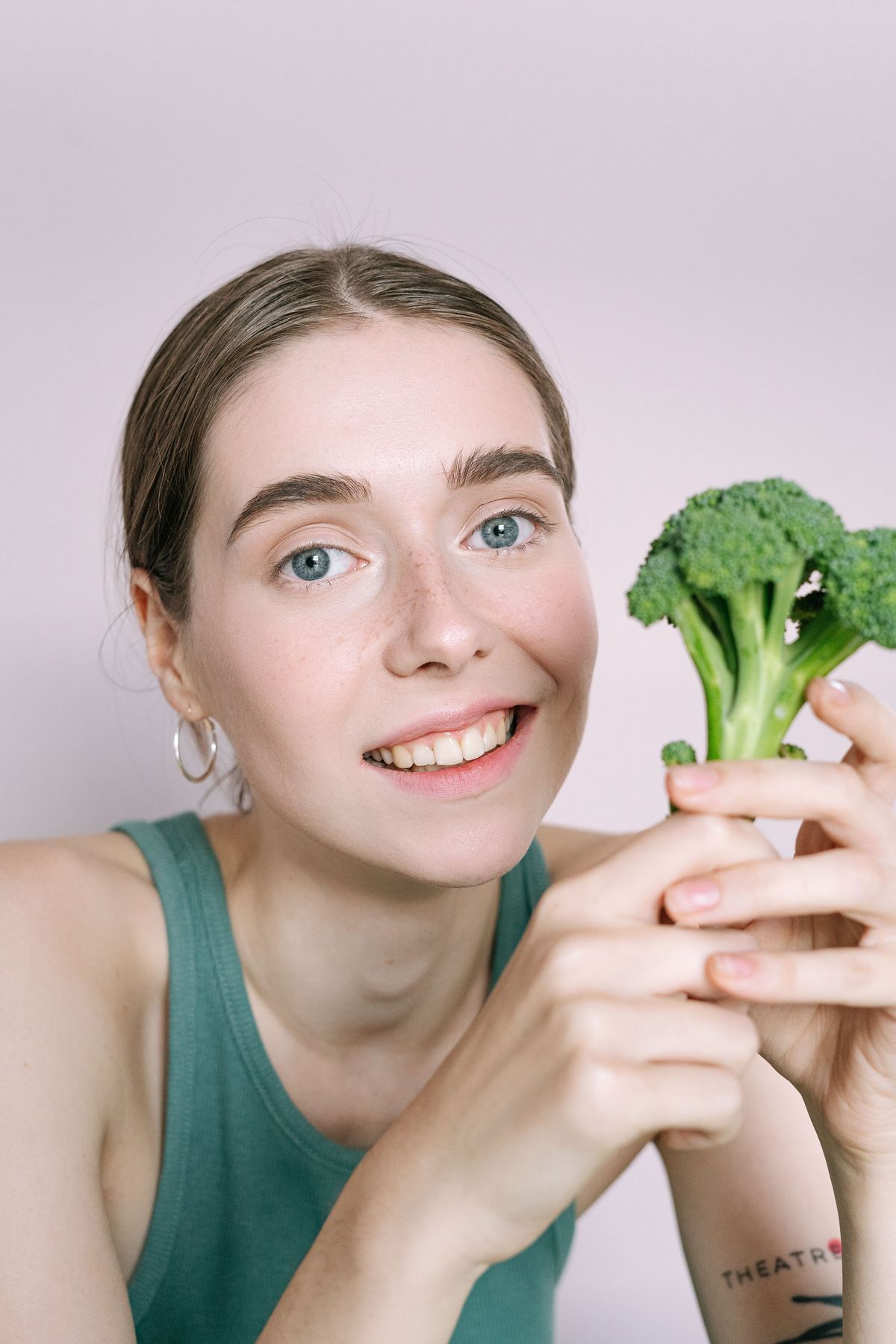
A dating profile only has a few seconds to make its case, and on a vegetarian dating site, the diet label is often the least useful thing on the page, everyone reading it is already vegetarian or vegan-friendly. What actually earns a message is everything else you say around it. Here's how to write a profile that genuinely reflects your lifestyle without leaning on the label alone to do all of the work for you.
Skip the label, lead with the life
"Vegetarian" alone tells a reader almost nothing they don't already assume. Instead, describe how it shows up in your actual life: the Sunday market run, the recipe you've perfected, the restaurant you keep going back to, the reason it matters to you. A line like "spend most Sundays experimenting with new vegan recipes, currently obsessed with getting a proper mushroom risotto right" says far more than "vegetarian, love food."
Be specific about your habits, not just your identity
Specificity is what makes a profile memorable. Instead of "healthy lifestyle," try "cook almost every night, meal prep on Sundays, always down to try a new vegetable I've never cooked before." Instead of "love animals," describe the actual thing, fostering rescue dogs, volunteering at a sanctuary, whatever is true for you. Concrete details are easier to respond to than general statements, and they read as more genuine.
Say what kind of vegetarian or vegan you actually are
As covered elsewhere, vegan and vegetarian cover a range of actual habits. A profile that says "vegan, pretty strict about it" or "vegetarian, still eat dairy and eggs, happy to date someone vegan" sets clearer expectations than the label alone, and tends to attract matches who are genuinely compatible with your day-to-day life rather than just your category.
Use your photos to reinforce the story, not repeat it
Resist filling your gallery with plates of food. One photo of you cooking, at a market, or at a restaurant you love is plenty, use the rest of your gallery the way anyone would: photos that show your face clearly, a hobby, a trip, something social, something that hints at your personality beyond the diet. The goal is a rounded picture of you, with the plant-based lifestyle as one thread among several, not the entire visual story of who you are.
Write your prompts like a person, not a checklist
Prompts and bio fields are where most profiles fall flat, generic answers that could belong to anyone. Instead of "I'm passionate about sustainability," try something specific and slightly personal: "the day I found out how easy oat milk was to make at home was a genuinely good day." Specific, slightly funny, slightly self-aware answers get more responses than earnest but vague ones.
State what you're looking for clearly
Vagueness about intentions is one of the most common profile mistakes. If you're looking for something serious, say so. If you're more interested in something casual right now, that's fine too, just say that instead. A profile that's honest about what stage you're at attracts matches who actually want the same thing, which saves everyone time and cuts down on mismatched expectations later in the conversation.
Mention the parts of your life that go beyond diet
Being vegetarian or vegan is meaningful, but a profile that's entirely about food risks flattening you into a single trait. Make sure your work, hobbies, sense of humor, and what you actually do on a weekend show up clearly too. The diet is a real and useful filter for matching, but it shouldn't be the only thing a reader learns about you.
Avoid the two common failure modes
The first failure mode is the profile that's all food, all the time, plates, recipes, restaurant reviews, with little sense of the person behind it. The second is the profile that barely mentions the lifestyle at all, leaving matches unsure how serious you are about it. Aim for the middle: a clear, honest signal about your diet and values, balanced with everything else that makes you interesting to date.
What to leave out entirely
A few things reliably drag a profile down: negativity about past relationships, a laundry list of dealbreakers, moralizing about diet choices or judging people who eat differently. None of it reads as confident, it reads as tired or defensive, even when that's not the intent. Keep the tone forward-looking, focused on what you enjoy and what you're hoping to find, rather than what you're trying to avoid, and the whole profile will feel warmer and more inviting to read.
Match your tone to the platform
A vegetarian-focused platform already assumes a shared baseline, which means you can spend less profile space justifying your diet and more space on personality, humor, and what you're actually looking for. Profiles that read as if they're still trying to convince a general dating-app audience that vegetarianism is normal tend to feel slightly out of place here. Write for an audience that already gets it, and let the extra room go toward the parts of you that make you memorable.
Let your prompts do different jobs
If your profile has several prompts or bio sections, avoid answering all of them in the same register. Use one for something light and funny, one for something a little more genuine about what you're looking for, and one that gives a real window into daily life, your morning routine, your weekend habits, what's currently in your kitchen. Variety across prompts makes a profile feel three-dimensional instead of repeating the same tone four times over.
Update it as your life changes
A profile written a year ago might not reflect where you are now, a new hobby, a change in how strict you are about your diet, a shift from casual dating to looking for something serious. Treat your profile as something to revisit every few months rather than a one-time task. Small updates keep it accurate, and a profile that clearly reflects your current life tends to attract better matches than one running on autopilot.
Let a friend read it before you publish
It's genuinely hard to see your own profile the way a stranger would. Ask a friend who knows you well to read it and tell you honestly whether it sounds like you, and whether anything important is missing. Small blind spots, an inside joke that doesn't land for strangers, a section that reads flatter than intended, are much easier for someone else to catch than for you to spot on your own, especially after you've read your own bio a dozen times while writing it.
Read it back as a stranger would
Before you finish, read your profile as if you'd never met yourself. Does it sound like a real, specific person, or could it belong to almost anyone on the site? Does it give a reader something easy to ask about? A profile that passes that test tends to get noticed, and gets the right kind of attention, from people who are actually a good match, not just people scrolling quickly past a familiar label. Small edits over time will get you closer than trying to write the perfect version in one sitting.