
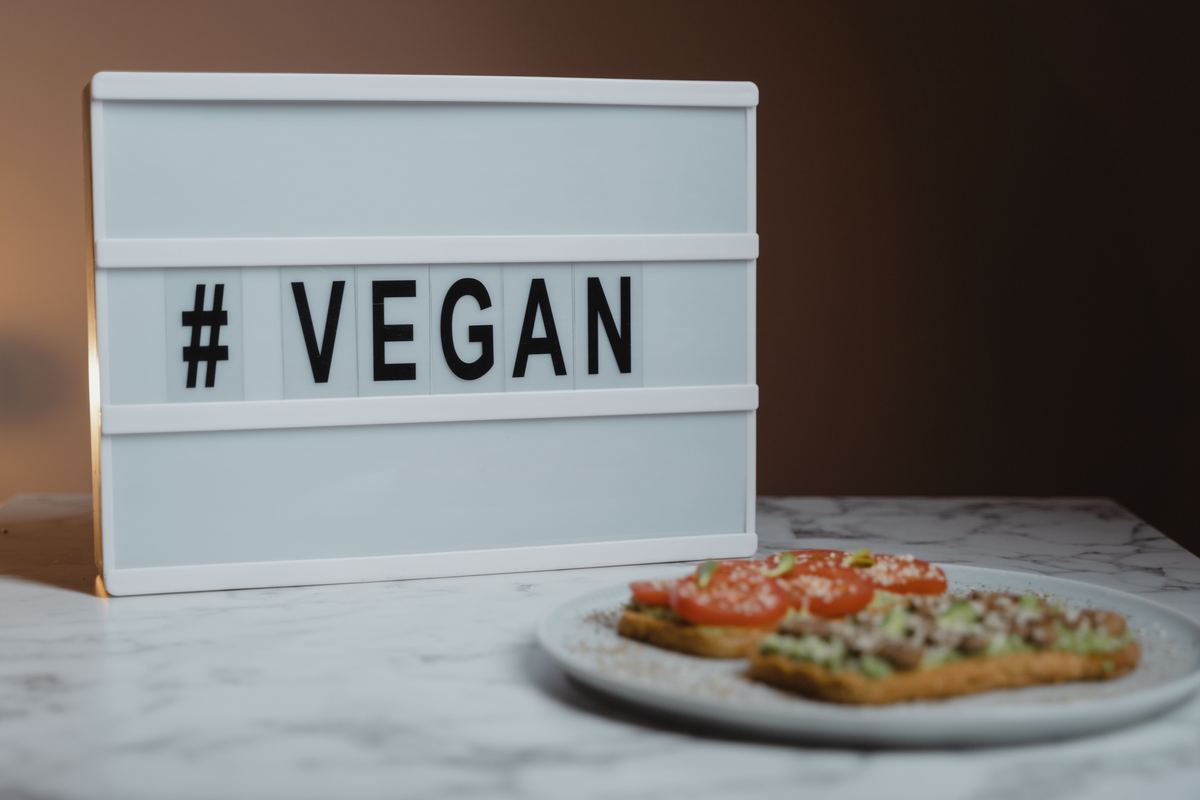
If you matched on a vegetarian dating site, your date already knows you are vegetarian or vegan before you sit down, which takes a surprising amount of pressure off the conversation. Even so, plenty of people still feel unsure about how much to say, when to say it, and how to handle the moment if diet comes up in more detail than expected. Here is how to keep it natural.
You don't need an opening statement
Some daters feel like they need to formally announce their diet at the start of a date, almost like a disclaimer. You don't. If you matched through a vegetarian or vegan-focused platform, the baseline is already established. Let the topic come up naturally, usually around ordering food or talking about how you spend your weekends, rather than treating it like a subject that needs a formal introduction.
Let the restaurant choice do some of the talking
Picking a vegetarian or vegan-friendly restaurant, or at least one with solid plant-based options, quietly signals your priorities without a word of explanation. It also removes the awkwardness of scanning a menu for the one dish you can eat. If you are choosing the location, this is one of the easiest ways to keep the date comfortable from the start.
Answer questions honestly, without over-explaining
If your date asks how long you've been vegetarian or what got you into it, answer plainly and move on. A short, honest answer, "about six years, mostly for the animals, partly for how I feel physically," is enough. You don't need to justify the decision at length or anticipate every possible follow-up question. Most people ask out of genuine curiosity, not to challenge you.
Watch for the difference between curiosity and testing
Most questions about your diet on a first date come from real curiosity. Occasionally, though, you'll get a question that feels more like a test, something pointed or slightly combative. Trust that instinct. It is a reasonable, low-stakes early signal about how much someone respects a choice that is clearly important to you, and it is fine to note it without making a big deal of it in the moment.
If your date isn't vegetarian, keep it low-key
Not everyone on a vegetarian dating site is vegetarian themselves, some are open-minded meat eaters exploring the platform. If that is the case with your date, there is no need to make a big production of it either way. State your preference clearly when picking a restaurant, and let the rest of the date proceed like any other. A single respectful conversation about it is usually all that's needed.
Avoid turning the date into a debate
Even with someone who shares your diet, it is easy to slide into a longer conversation about ethics, factory farming, or environmental impact than either of you actually wants on a first date. These are worthwhile topics, but a first date is rarely the place for a deep debate. If the conversation heads that way, it's fine to acknowledge it briefly and steer back toward getting to know each other.
Don't apologize for your choice
However the topic comes up, avoid framing your diet apologetically, "sorry, I'm annoying about food" or similar. It undersells something that is clearly meaningful to you and can subtly signal that you expect pushback. State it plainly and move on. Confidence here reads far better than a pre-emptive apology.
Use it as a genuine compatibility signal, not a script
The real value of bringing up diet on a first date isn't the topic itself, it's what the conversation reveals: whether your date listens well, whether they're curious rather than dismissive, whether they seem genuinely interested in how you live. Treat the moment as one small data point among many, not the entire test of the date.
What if you're the more strict one
If you're vegan dating someone vegetarian, or you're simply stricter about ingredients than your date, it's worth naming that plainly rather than quietly making do. "I'm vegan, so I'll need to check a couple of things on the menu" is a normal, confident thing to say to a server or a date, not an imposition. People who are put off by a clearly stated dietary need are giving you useful information early, before you've invested much time.
Small talk that naturally opens the door
If you'd rather ease into the topic than state it outright, food-adjacent small talk tends to open the door naturally: asking about a favorite cuisine, a recent meal that stood out, whether they cook much at home. These questions usually lead somewhere close to diet without either of you having to force the subject, and they tend to feel more like getting-to-know-you conversation than a dietary disclosure.
What to do if the restaurant gets it wrong
Even a carefully chosen restaurant occasionally falls short, a "vegetarian option" that turns out to have fish sauce buried in it, a kitchen that treats a vegan request as an inconvenience. Handle it matter-of-factly: ask the server a direct question, order something else if needed, and don't let it derail the date. How you handle a small hiccup like this, calmly and without turning it into a bigger issue, often says more about you than the diet conversation itself.
If you're the one asking the questions
The advice above works both ways. If you're curious about your date's diet, ask plainly and listen to the answer without following up with a challenge disguised as a question. "What made you go vegan" is a fine question. "But don't you miss cheese though" delivered with a smirk is not really a question, it's a small test, and most people can tell the difference immediately.
A quick mental checklist before the date
Before you head out, it can help to have a loose, private sense of your own boundaries: how much detail you're comfortable sharing unprompted, what you'll do if a restaurant's plant-based options fall short, whether you're open to a mixed-diet match at all. None of this needs to be rigid or overthought, but knowing your own answers ahead of time means you won't be figuring them out on the spot if the topic comes up sooner or in more depth than expected.
Reading the room after the topic comes up
Pay attention to how the conversation feels once diet has come up, not just what was said. Did it flow naturally into other topics, or did it stall there. Did your date seem genuinely interested, or slightly bored once the novelty wore off. These small cues tend to be more informative than the actual words exchanged, and they're worth noticing without overanalyzing them in the moment.
Keep the bigger picture in view
By the time you're sitting across from someone at a restaurant, the diet conversation has mostly already happened, on your profiles, in your messages, in the choice of venue. What's left for the date itself is getting to know the person, not re-litigating a fact you already both know. Handle it briefly, honestly, and without ceremony, and it will barely register as a moment at all, leaving the rest of the evening open for the conversation that actually matters.